 BIGRIYO


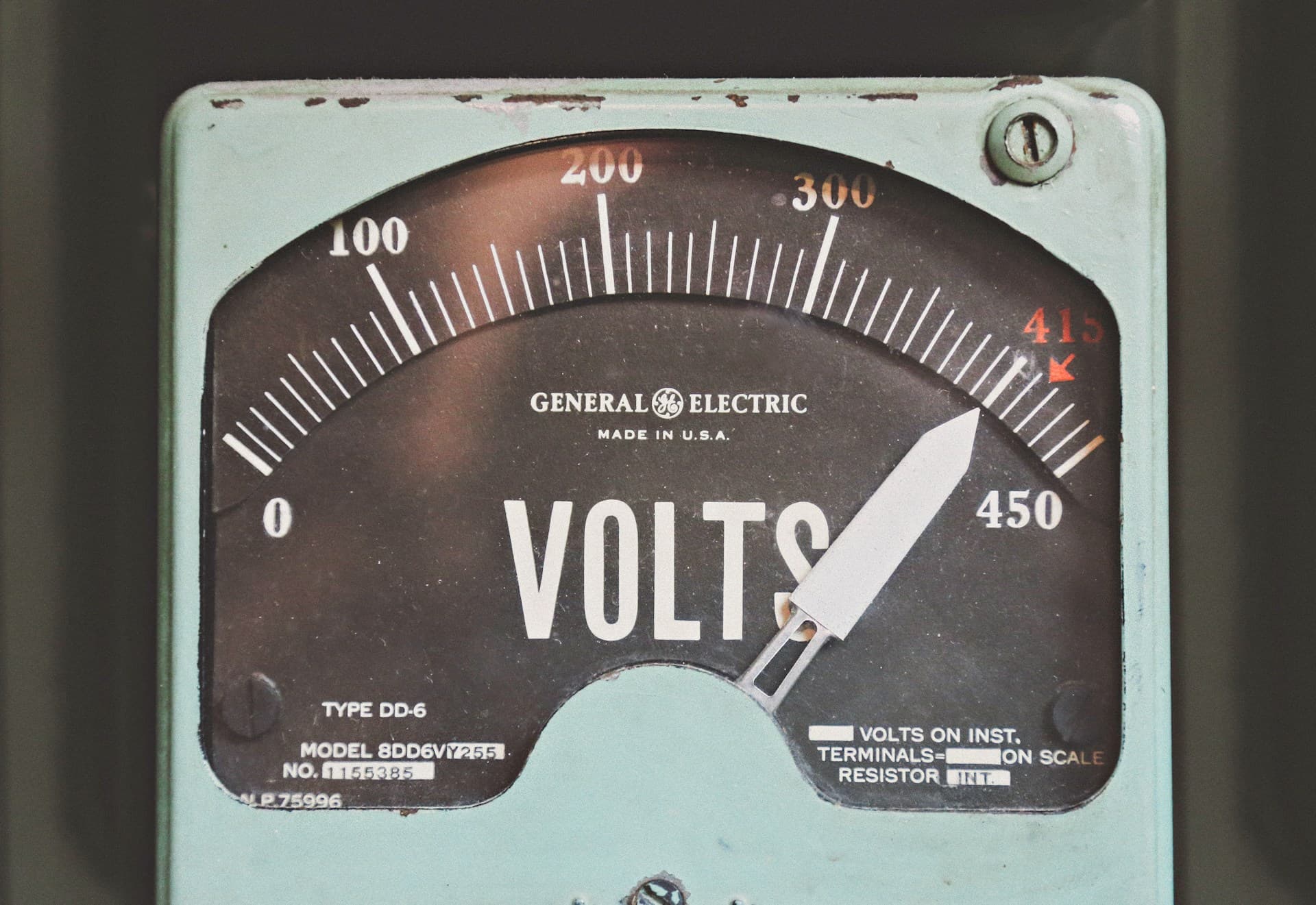


The Danger of Voltage Spikes and Inrush Current
When power returns following an outage, grid voltage frequently spikes beyond standard electrical ratings. This sudden current rush can bypass basic internal fuses, destroying capacitors, power supply units (PSU), and board power lines.
Transient voltage spikes can push thousands of extra volts into delicate integrated circuits for fractions of a second, melting silicon micro-architecture inside modern electronics.
Symptoms of Voltage Damage
Common signs of power surge failure include burning smells, devices failing to power on, intermittent power drops, or glowing power standby LEDs that fail to start up the main board.
In many cases, the power management stage explodes, shorting ground planes directly to processing chips and causing total hardware failure.
Unstable Neutral and Ground Voltage Floating
Improper local ground wiring or loose neutral lines cause voltage float where 220V power lines temporarily shift toward 300V+. This gradual overvoltage stresses power supply capacitors until they bulge or burst.
Prevention and Surge Protection Setup
1. Use dedicated Surge Protector power strips with verified Joule ratings rather than basic multi-plugs.
2. Connect sensitive, high-value electronics like PCs, Smart TVs, and audio setups to Voltage Stabilizers or Uninterruptible Power Supplies (UPS).
3. Unplug sensitive equipment during heavy lightning storms or scheduled power grid maintenance.
4. Ensure your home or workplace has verified earthing/grounding connections to dissipate rogue electrical energy safely.
How BIGRIYO Repairs Surge-Damaged Boards
Our technicians isolate blown power MOSFETs, PWM controller ICs, and primary fuses on damaged boards. We replace scorched power components to bring dead electronics back to life without requiring full motherboard replacements.