 BIGRIYO


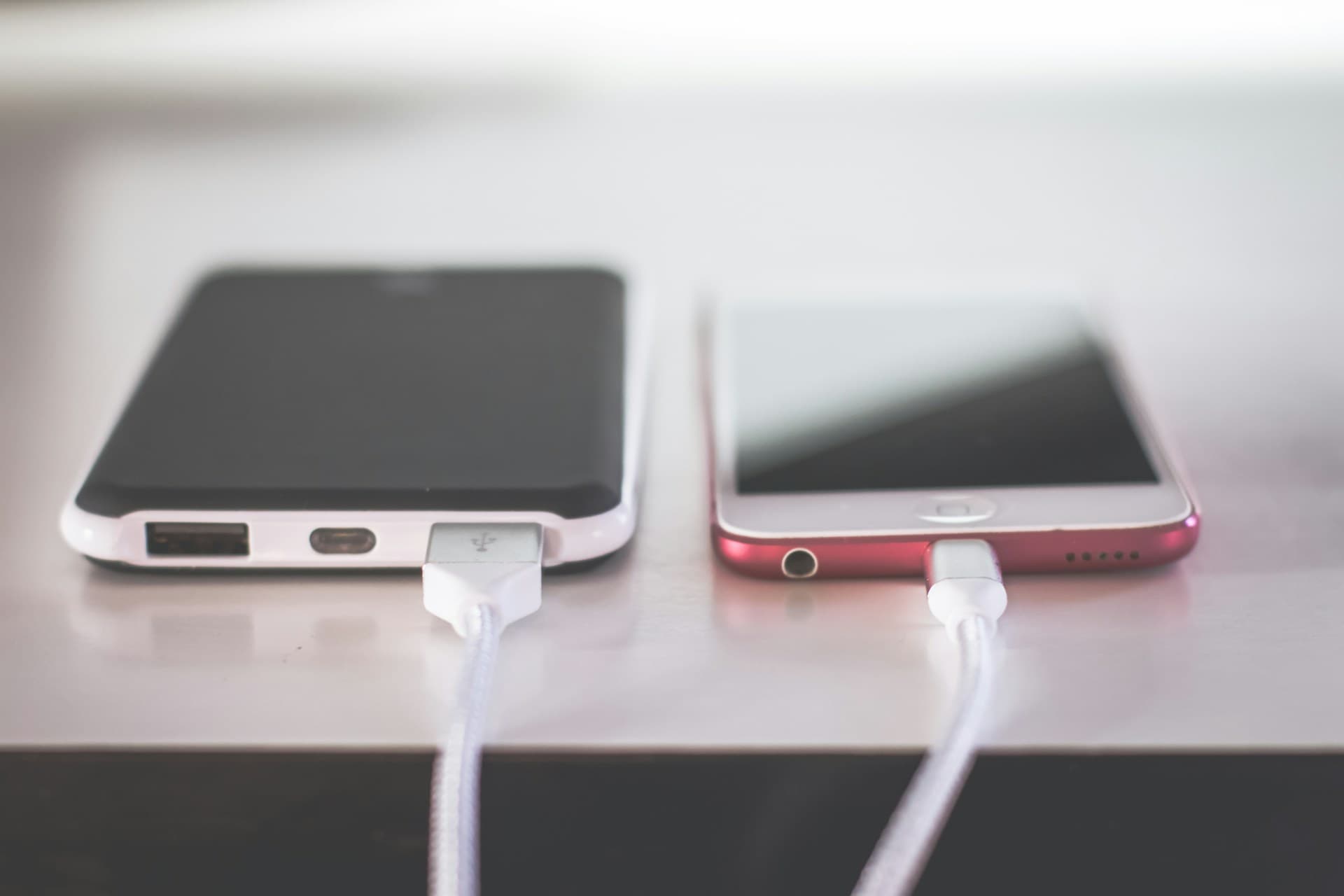


Myth 1: Leaving Your Phone Plugged In Overcharges the Battery
Modern smartphones feature built-in Power Management Integrated Circuits (PMIC) that cut off power once the charge reaches 100%. Your phone does not continuously draw current after reaching capacity.
Once fully charged, the device relies on external wall power for idling, stopping current flow into the battery cell completely.
Myth 2: You Must Discharge the Battery to 0% Before Charging
This rule applied to older Nickel-Cadmium (NiCd) batteries with memory effect. Modern Lithium-Ion batteries perform best when kept between 20% and 80% charge level. Complete 0% discharges place high strain on lithium cells.
Frequent full discharge cycles accelerate degradation of the cathode layer inside the battery cell.
Myth 3: Using Fast Chargers Damages the Battery
Fast charging delivers high power during the early state of charge (0% to 50%) and tapers off as the battery fills. Intelligent charge controllers regulate voltage and amperage based on real-time cell temperature to prevent hardware damage.
Myth 4: Using Third-Party Cables and Chargers Is Always Unsafe
Third-party accessories from reputable, certified brands (USB-IF or MFi certified) are completely safe. Danger arises only when using unbranded, dirt-cheap counterfeit chargers that lack internal voltage regulation circuits.
The Real Hazard: Heat Retention Overnight
While PMICs stop overcharging, keeping a phone charging under thick pillows or blankets traps heat. Excessive heat accelerates internal chemical breakdown. Always place your charging device on a flat, open surface.
Charging inside thick protective cases during summer months can also trap thermal energy, shortening battery lifespan over time.
Optimized Charging Features in Modern Smartphones
Take advantage of built-in options like 'Optimized Battery Charging' on iOS or 'Protect Battery' on Android. These features learn your daily routine, pausing charge levels at 80% overnight and finishing the remaining 20% right before you wake up.